any size. any colour. forty days from the day you approve the colour.

 How to Get Creases Out of Rug?

Have you ever unrolled a brand-new rug, only to find it filled with stubborn creases, folds, or curled-up corners? It’s one of the most common frustrations after buying a new carpet! These wrinkles can completely ruin the vision for your rooms. Moreover, they’re also a tripping hazard! You simply can’t leave them unchecked!

However, don’t let this problem turn you away from carpets. Because getting creases out of rugs is simple once you know the right methods. It doesn’t matter whether it’s a thick area rug, a natural fiber carpet, or a synthetic weave. Here’s how to get your rug to lay perfectly flat again.

Why Rugs Develop Creases and Wrinkles?
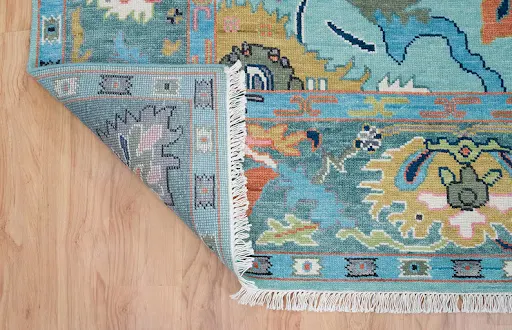
why rugs develop creases and wrinkles

Before we learn how to get creases out of rugs, it helps to understand why they form in the first place. Most new rugs are rolled or folded tightly for shipping, which presses the fibers and backing. Accordingly, when you first unroll them, they retain those bends.

Thus, rugs that have been stored or folded for long periods may develop these ‘memory folds’. Moreover, heavier furniture, humidity changes, and improper cleaning methods can all make the problem worse. So, we bring you a surefire solution to this problem, as we answer the question, ‘how to get creases out of rugs’!

Step-by-Step: How to Get Creases Out of Rugs?
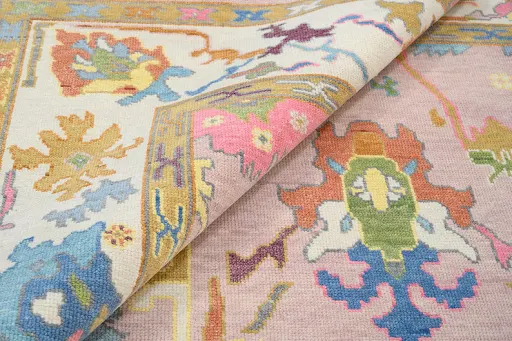
step by step how to get creases out of rugs

1. Reverse Roll the Rug

This is actually one of the simplest and most effective solutions! One of the ways we remove creases and curls from paper is by reverse rolling it. That actually works for carpets too!

If your rug arrived rolled inward, unroll it and gently roll it in the opposite direction. Then, leave it that way for 24 hours. When you unroll it again, most of the creases and curls should be gone or significantly reduced.

However, sometimes the rug feels stiff. In these situations, the first task is to loosen the fibres and backing a bit. The way to do this is to warm the rug up! Place it in a sunny room, or near a safe heat source. Then test the rug and feel it softening up. Once it’s pliable enough, get reverse rolling!

2. Use Gravity to Your Advantage

Sometimes, all a rug needs is time. Therefore, lay it flat in the room where you plan to use it and let gravity do its job. Within a few days, minor wrinkles and carpet creases usually relax on their own.

Yet, there are ways to speed up this process! Place heavy pieces of furniture, like a coffee table or maybe just a stack of books, on the corners and edges of the rugs. This will help flatten them evenly without damaging the surface.

3. Apply Gentle Heat

We teased this method in step one, and yes it’s indeed a whole step of its own! If gravity alone doesn’t work, heat can help soften the backing and fibers. Thus, you can use a hairdryer or a clothing steamer. But do it gently!.

Hold the hairdryer 6 to 8 inches away from the rug surface, using a medium heat setting. Move it slowly over the creased areas. Meanwhile, gently smoothen the rug with your hand or a clean towel. For a steamer, use low steam. But never soak the fibers, you only want warmth, not moisture.

4. Use a Rug Pad for Even Support

Almost every blog reiterates the importance of this! A quality rug pad helps keep the rug in place, distributes pressure evenly, and prevents new wrinkles from forming. It is thus one of the best ways of clearing up carpet crease and curls.

If your rug won’t lay flat even after treatment, place a rug pad underneath and let it settle for a few days. The pad will help the rug ‘relax’ naturally while improving comfort and preventing slipping.

5. Try the Towel and Iron Technique

We need to bring out the big guns for the toughest creases. Thus, for deep or old carpet creases, try the towel and iron technique, but only if your rug’s care label allows it.

Dampen a clean towel and lay it flat over the wrinkled area. Then, with your iron set to a low or medium temperature, press lightly over the towel for a few seconds at a time. The combination of moisture and gentle heat will loosen the fibers and backing without damaging the rug. Then, let the area cool completely before walking on it.

6. Hang the Rug Vertically

Despite all this, your rugs may still show some creases. In such moments, consider hanging them over a sturdy railing or a clothesline for a few hours. The weight of the rug will naturally pull out folds and wrinkles. Moreover, if you have a thin area rug or a kilim, this works particularly well!

How to Prevent Future Carpet Creases?
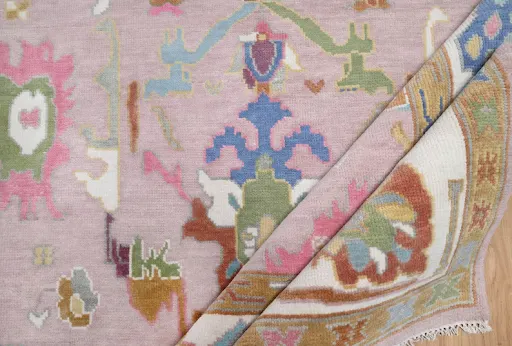
how to prevent future carpet creases

Once your rug is finally smooth and flat, you’ll want to keep it that way! Thus, here are a few easy ways to prevent future wrinkles:

  • Store Rugs Properly: If you ever need to store your rug, roll it instead of folding it. Folding creates sharp creases that are hard to remove later. Therefore, always roll with the pile facing outward to avoid pressure lines.
  • Use a Non-Slip Rug Pad: Again, rug pads simply are always the way to go! A pad not only prevents sliding but also absorbs the impact of foot traffic. Accordingly, the likelihood of new wrinkles or shifting drops significantly!
  • Rotate Your Rug Regularly: Over time, certain areas of your rug receive more pressure and sunlight. Thus, rotating your rug every few months ensures even wear and creasing. This balance looks much better, and is also much easier to manage!

Thus, letting creases out of new rugs doesn’t have to be frustrating! With a bit of patience, gentle heat, and proper care, your rug will soon lay flat and look as beautiful as intended. So next time your rug won’t lay flat, remember that it’s just temporary! Plus, with the right approach, you’ll restore its natural beauty in no time! For more expert rug care tips and to explore premium-quality carpets and area rugs, visit Carpets Bazaar.

FAQs About How to Get Creases Out of Rug?

Q: How long does it take for a new rug to lay flat?
Ans: Most new rugs will flatten out within one to two weeks if left undisturbed and properly weighted down.

Q: Can I use an iron to remove carpet creases?
Ans: Only if you protect the rug with a towel and use low heat. Avoid direct contact with the rug surface to prevent damage.

Q: How do I get a rug to lay flat without using heat?
Ans: Place heavy furniture or weights on the curled areas and leave the rug for a few days. Gravity will naturally flatten it out.

Q: Will a rug pad help with wrinkles?
Ans: Yes! Rug pads provide cushioning, reduce movement, and help rugs stay smooth and flat.

Q: What if my rug still won’t lay flat after trying everything?
Ans: For thick or delicate rugs, professional rug cleaning and pressing services can remove deep creases safely.

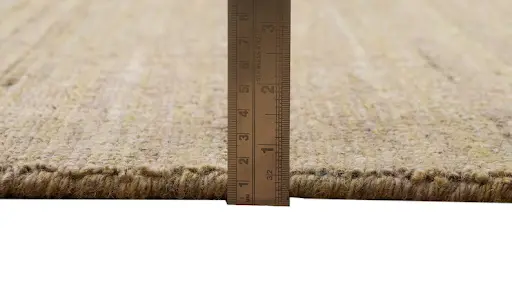
How to Clean Jute Rugs at Home?

Do you struggle with maintaining your jute rugs? Why does everything you try damage the carpet even more? Jute rugs bring with them an earthy, timeless charm! Moreover, their organic texture adds warmth and depth to any space, making them a favorite for modern, bohemian, or rustic interiors. Yet, many homeowners hesitate to buy them. Simply because they’re… difficult to maintain?

They struggle to answer the question, ‘how to clean jute rug at home’. However, these carpets are actually pretty easy to maintain! All you need is some knowledge about the right way to clean them. So here is a step-by-step guide, and some additional tips, so you can also clean jute rugs at home!

Why Do Jute Rugs Need Special Care?

why do jute rugs need special care

Let’s first understand what exactly is ‘jute’. Jute is a natural fiber made from the stalks of the jute plant. Thus, it’s quite absorbent! Moisture can cause it to stain or break down over time if you’re not careful. This weakness is usually very manageable, and the unique texture and feel of jute makes the effort very worth it!

However, unlike synthetic rugs, you can’t simply toss a jute rug in the washing machine or drench it with water. This is really the only thing you have to be particularly mindful of, as you move on to our step-by-step guide for cleaning jute rugs! Though remember, the secret to keeping your jute rug clean lies in prevention and regular light cleaning rather than deep washing!

Step-by-Step: How to Clean Jute Rugs at Home

step by step how to clean jute rugs at home

1. Vacuum Regularly

Once people think of jute rugs as being easily damaged, they tend to ask one single question. Can you vacuum a jute rug? The answer is an absolute yes! In fact, it’s one of the best things you can do. Vacuuming removes dirt and grit that can get lodged between the fibers and cause wear over time.

However, there are some things to remember here. Use a suction-only setting, as any other features may cause damages like fraying. You should also vacuum rugs in high-traffic areas every couple of weeks. Cover both sides, and your rug should remain fresh and dust-free at its inner weaves!

2. Shake or Beat the Rug Outdoors

Now for a rather fun way to clean your jute rug! Every month or so, take your jute rug outside and give it a good shake! Then, maybe even beat it with a broom handle. This loosens trapped dust and helps maintain its crisp texture. It’s also a great way to refresh your rug naturally, especially if you live in a humid climate.

3. Spot Clean Spills Immediately

As discussed, jute is a natural absorbent. This means jute and liquids are a dangerous combo! If you accidentally spill something on your rug, act immediately! Use a clean white cloth or paper towel and blot the area. However, be super gentle, do not rub it at all! Rubbing would push the stain deeper into the fibres, at which point your rug is in for some structural damage!

Once you’ve absorbed as much of the liquid as possible, use a small amount of water mixed with white vinegar. Then, lightly dampen a cloth with the solution and blot again. Follow with a dry towel to remove any remaining moisture.

4. Remove Stains from Jute Rugs Naturally

Sometimes, the spots are just too tough. Think of your food stains, pet stains or even wine splashes. These can really cause panic, especially when the previous step doesn’t work on them!

However, there is always a right way of doing things. If you’re in this situation, sprinkle baking soda on the area and let it sit for 15 to 20 minutes. It absorbs both odor and moisture. Then vacuum it up and repeat if necessary. If the stain persists, try a mix of two cups of warm water with one tablespoon of mild dish soap and one tablespoon of white vinegar. Then, dampen a soft cloth with the mixture and gently dab the stain. Immediately blot dry afterward!

5. Dry Thoroughly

Whichever step you’re going for, remember to end with this! Once you’re done cleaning, lay your rug flat and let it dry in the wind. You may use a fan to speed up the process, but never sunlight. Direct sunlight can and will cause discoloration. Thus, keep it in the shade and ensure it dries quickly! This helps prevent mold or musty smells.

How to Prevent Damage and Extend Rug Life?

how to prevent damage and extend rug life

A more comprehensive and universal guide for this can be found at ‘Best Ways to Protect Rugs from Furniture Damage’. The following tips, meanwhile, are crucial ones to follow when it comes to maintaining jute rugs:

  • Use a rug pad: It prevents slipping, adds cushioning, and protects the underside from moisture buildup.
  • Keep it dry: As discussed, jute and liquids don’t mix, or rather mix too well. Thus, avoid placing jute rugs in bathrooms, kitchens, or basements where humidity levels are high.
  • Rotate periodically: Every few months, rotate your rug to even out wear from foot traffic and sunlight exposure.
  • Limit moisture: If you live in a damp area, maybe use a dehumidifier to prevent the fibers from absorbing excess moisture.
  • Pet tip: If you have pets, trim their nails to prevent snagging and brush them regularly to reduce shedding on the rug.

How to Clean Jute Rugs – Common Mistakes to Avoid

To keep your jute rug in top condition, steer clear of these common pitfalls:

  • Avoid steam or wet cleaning: The heat and moisture can cause warping and shrinking.
  • Don’t scrub aggressively: Rubbing is a massive mistake. Accordingly, it weakens fibers and spreads stains.
  • Skip harsh chemicals: Bleach, strong detergents, or synthetic cleaners can discolor and damage the rug’s natural fibers.
  • Never leave spills unattended: Jute is highly absorbent! Thus, acting fast is essential to prevent permanent marks.

FAQs on How to Clean Jute Rugs?

Q. Can you vacuum a jute rug?

Ans: Yes, and you should! Just use a suction-only setting and vacuum both sides regularly to prevent dirt buildup and fraying.

Q. How do I remove stains from a jute rug?

Ans: Blot the area immediately, use a mild vinegar-water solution, and dry thoroughly. Baking soda can help lift lingering odors and stains naturally.

Q. Can you wash a jute rug?

Ans: Jute rugs should not be soaked or machine washed. Instead, use light spot cleaning and surface wiping techniques to keep them fresh.

Q. How do I clean natural fiber rugs like jute without damage?

Ans: Gentle, dry cleaning methods are best — vacuuming, spot cleaning, and dry blotting rather than wet washing.

Q. What if my jute rug smells musty?

Ans: Sprinkle baking soda over the rug, let it sit overnight, and vacuum the next morning. For deeper refreshment, use a light mist of vinegar-water and air dry.

Thus, learning how to clean a jute rug at home is all about balance. Think of ways to keep it fresh and clean while protecting its natural texture! These rugs are wonderfully low-maintenance when cared for correctly. Moreover, their rustic beauty only gets better with age — especially when you choose high-quality pieces like those from Carpets Bazaar So keep vacuuming regularly, spot clean spills quickly, and avoid excess water. With these, you’ll keep your jute rug looking effortlessly elegant for years to come.

How to Protect Rugs from Furniture Damage?

Do you struggle with your rugs being torn or disfigured when you move furniture around them? People tend to mistake rugs as a piece of foundation. However, they are actually pieces of furnishing themselves, and require great care! Rugs bring colour, warmth and personality to any room. Yet, they’re extremely vulnerable to furniture damage. Their lifespans can be cut from whole centuries to mere months! Thus, it’s important to understand the following 6 steps on ‘How to Protect Rugs from Furniture Damage’.

Best Ways to Protect Rugs from Furniture Damage

Your rugs can get damaged for a variety of reasons. However, they are all preventable! Here are 6 all-encompassing steps, to keep furniture from damaging your carpets!

1. Use Furniture Pads to Prevent Carpet Dents

best ways to protect rugs from furniture damage

Furniture pads are among the most effective and affordable ways of protecting your carpet! They are small rubber or felt-based protectors. These separate the table or sofa from the carpet. They distribute the pressure and weight of the furniture evenly across a wider area, thus preventing dents and tears.

Best Furniture Pads for Rugs Include:

  • Rubber or Silicone Pads: These are perfect for your heaviest furniture. Think of your beds and dressers. These robust pads ensure firm grip and cushioning for your carpet.
  • Felt Pads: Meanwhile, felt pads are all about minimising friction. These allow lighter furniture to simply glide across the carpet. Thus, use them for items like side tables and chairs which tend to be moved often.
  • Plastic Furniture Cups: If your furniture legs need complete encasing, these are the way to go. They also work particularly well with deep-pile rugs!

Remember to ensure that the pad material is non-staining. Cheaper pads of materials like rubber can cause discoloration, leaving marks on your exotic carpets. Check the packaging carefully, and test one spot first!

2. Invest in a High-Quality Rug Pad

invest in a high quality rug pad protect rugs from furniture damage

A rug pad sits between your rug and the floor, absorbing pressure and minimizing friction. It also prevents the rug from slipping or bunching up, which is especially important under dining tables or couches that get frequent use.

Why are Rug Pads Essential:

  • Cushioning: They significantly reduce compression, providing some relief to your rugs.
  • Protection: They protect both the rug and the floor underneath. Moreover, they extend the life of your rug by absorbing daily wear.
  • Stability: They even prevent rug-sliding and edge-curling, which are common tripping hazards. Thus, rug pads increase safety for the rug, the floor, and the residents too!

3. Rearrange Furniture Every Few Months

rearrange furniture every few months protect rugs from furniture damage

Rearranging furniture does not mean changing your room layout. That simply wouldn’t be feasible. However, one of the simplest ways to let your rugs recover from strain, is to shift your furniture around just a few inches. This lets a different part of the rug carry the strain, while the original parts rests and breathes. If you notice permanent-looking marks, gently brush them with a soft-bristle brush or steam them lightly to lift the pile.

Try This Routine:

  • Every three to four months, move heavy pieces slightly.
  • Rotate your rug 180 degrees to balance sunlight and foot traffic.
  • If possible, swap the position of lighter and heavier furniture seasonally.

Thus, you focus on keeping the affected areas of the rug changing every so often. This small effort keeps your rug evenly worn and prevents certain spots from ageing faster than others. It’s all about balancing the wear!

4. Distribute Furniture Weight Evenly

distribute furniture weight evenly protect rugs from furniture damage

A mindful room design can solve many rug damage issues on its own! Balance is not simply an aesthetic advantage, it also helps longevity! If your living room or bedroom has a few particularly heavy items, make sure the weight distribution is even across the rug.

For example:

  • Instead of placing an entire sectional sofa on one end of the rug, center it so the weight is balanced.
  • Meanwhile, use larger rug sizes in rooms with bulky furniture. They handle the pressure better.
  • Add a rug pad underneath for extra protection. Nothing will harm the rug of a thoughtful owner!

5. Lift Furniture, Don’t Drag It

lift furniture dont drag it protect rugs from furniture damageA simple tip, but an essential one. Please do not drag furniture across your rugs. That is perhaps the single fastest way of destroying your rug. Moreover, delicate handwoven rugs tend to catch onto those furnishings. The dragging motion completely loosens the knots and fibres of the rug, ruining its structural integrity.
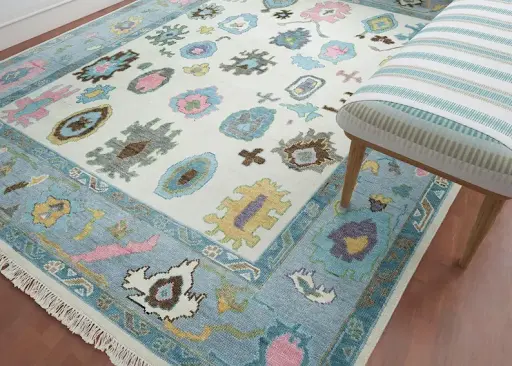
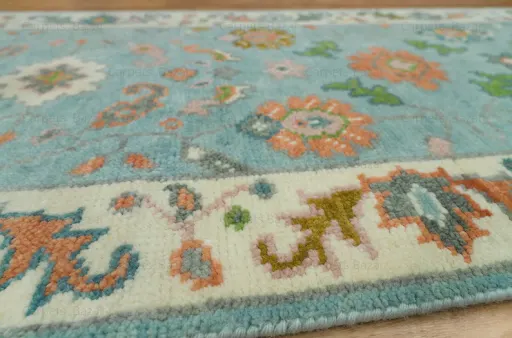
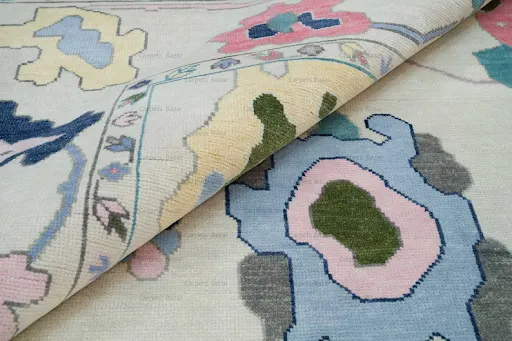
Therefore, whenever you get down to cleaning or redecorating, lift your furniture fully, then move it. It may sound difficult, but the reward is worth it! However, there may be times when lighting the cupboard or dresser is impossible. Then, use furniture sliders, small discs designed to help specifically in such situations. These discs allow heavy furnishing to glide smoothly over surfaces with minimal friction!

6. Steam, Brush, or Ice Out Existing Dents

steam brush or ice out existing dents protect rugs from furniture damage

We’ve discussed many ways for you to prevent dents on your rugs. Yet, your carpets may already have some in them! Remember, dents are often fixable. Here’s how to stop furniture marks on carpet once they appear:

Option 1: Steam Method: Use a handheld steamer or the steam setting on an iron. Hold it a few inches away from your rug, then lightly steam the dented area. This relaxes the tension within its fibres. Now, fluff the fibers gently with your fingers or a soft brush and you’re done!

Option 2: Ice Cube Trick: This is not a trick anyone can figure out on their own. Yet, it works like a charm! Place an ice cube on the dent and let it melt slowly. As the water seeps into the fibers, you’ll notice them swelling up. Then, blot excess moisture from the rug, and brush gently once dry.

These natural remedies are simple yet effective for most wool, synthetic, and blended rugs!

Thus, all rugs require a significant amount of care. And mindful planning ensures that you make things easier for you in the future! Learning how to protect rugs from furniture damage ensures that your favorite pieces stay soft, beautiful, and dent-free for years to come. So go ahead, lift that sofa gently, slide in those pads, and give your rug the love it deserves! Explore more expert rug care tips and handcrafted collections at Carpets Bazaar. 

FAQs About How to Protect Rugs from Furniture Damage?

Q. How can I prevent furniture dents in my carpet long-term?

Ans: Use rug pads and furniture cups, and move your furniture occasionally. You can also fluff compressed fibers with steam or ice to help them recover.

Q. What’s the best furniture pad for rugs?

Ans: Felt pads work best for light furniture, while rubber or silicone pads are ideal for heavier pieces like sofas and cabinets.

Q. How often should I move my furniture to avoid marks?

Ans: Every three to six months is enough to prevent permanent dents and uneven fading.

Q. Will a rug pad really make a difference?

Ans: Absolutely. A quality rug pad adds cushioning, prevents slipping, and reduces pressure, significantly extending your rug’s lifespan.

Q. Can I repair old dents in antique rugs?

Ans: Yes, but use gentle methods like steaming or ice. For delicate, handwoven rugs, consult a professional restorer.

How to Wash a Wool Rug?- Simple Cleaning Tips At Home That Work

Wool is the premium rug material for any home. You want durability? Warmth? Feel? Wool is your best friend. In fact, even the most luxurious, age-old traditions of carpet making prefer wool! Think of your Persian rugs or Oushaks. However, these long-lasting rugs do need good care when it comes to cleaning. Thus, this blog prepares to answer the question, ‘How to wash a wool rug?’

How to Wash a Wool Rug? – Why It Needs Care?

how to wash a wool rug why it needs special care

Wool has an oil called lanolin. This oil helps it resist dirt and stains, and is responsible for its longevity. However, this oil itself is quite vulnerable to harsh cleaners and heat. Therefore, washing against this oil can cause your rug to shrink. It may also cause felting or colour bleeding!

If you wish to keep your wool rug in top condition for generations, you cannot damage the natural oil and weaves. Yet, there is a way to do this! It requires good technique, a few simple household items, and patience! So let’s check out our step-by-step guide to wash wool carpets!

How to Wash a Wool Rug – Steps Before Cleaning

how to wash a wool rug essential pre cleaning steps

Cleaning without dedicated industrial cleaners is a chore that’s absolutely worth it! However, it’s important to have some things in place before you get to the cleaning stage. This ensures that you don’t make things worse for your rug, like accidentally grinding dirt deeper into the fabric. Here are three quick tasks to complete beforehand:

  • Vacuum Both Sides: Quickly run your vacuum across both sides of this rug, the front and the back. Then, you’ll be ready with a rug that only has stains to be cleaned. This is exactly what you want!
  • Shake It Out: If you have a small rug, an additional step would be to beat it gently. This releases any trapped dirt from the rug, ensuring a successful cleaning.
  • Cleaner Patch Test: Test the cleaning solution we’re about to recommend on a small patch of the rug. It shouldn’t cause problems. Yet, rugs can react unpredictably to any and all chemicals. Test a small corner with a damp cloth to ensure that the colour doesn’t bleed.

Once you’re done with that, you’re ready for a deep cleaning of your wool rug. Then, move over to our seven step guide:

Step-by-Step: How to Wash a Wool Rug at Home?

step by step how to wash a wool rug at home

Step 1: Create a Gentle Cleaning Solution

Time to give rugs our homemade elixir of life. This is really just two cups of lukewarm water with a few drops of liquid soap. Any wool-safe detergent or even baby shampoo can work for this. However, ensure you’re not using hot water, which can cause shrinkage or colour fading.

Step 2: Lightly Dampen the Rug

Time to introduce water, but not a full soak! Lay out your rug on a clean surface, maybe out on your deck or on a tiled area. Then, dab it with a sponge or a soft cloth. We want a slightly damp rug, so be gentle as you prepare it for cleaning.

Step 3: Gently Wash the Surface

Time for the elixir! Dip your sponge or cloth into your soap solution, and wring out excess liquid. Then, gently blot the rug’s surface, moving in circular motions. Meanwhile, keep your focus on visible stains, or even high traffic areas, as you work in small sections. It truly is a test of patience!

Step 4: Rinse Carefully

Now that the rug has been cleaned with soap, it’s time to clean the soap out! Dip a fresh sponge in water and wipe away the soap residue. Remember, the intent is not to soak the rug entirely, so keep going with a gentle touch.

Step 5: Blot Excess Moisture

Now to start getting the water out. Air drying takes ages on a dripping rug, so we need to help it out! Thus, use a dry towel and blot the surface, absorbing as much moisture as possible. You can even press the towels gently into the rug to draw out water from deeper fibers!

Step 6: Air Dry Thoroughly

Air-drying time! Lay down your rug in a shaded, ventilated area. Sunlight or heat can fade the colours of the rug, and so it’s important to let only the wind do its thing. However, be careful not to hang a wet wool rug anywhere, because the weight of the water can and will distort its shape!

Step 7: Fluff and Restore Texture

Now we’re at the end! Once your rug is dry, it’ll still maintain a certain sleekness from this wash. Sleekness is not what you want from a wool rug. Therefore, it’s time to fluff up your dry rug! Give it a light vacuum, and gently brush its fibres. Slowly but surely, you’ll see the rug recover its softness and plumpness!

With these steps, your rug should look and feel as good as new! Good job!

Best Way to Clean Wool Rugs (Pro Tips)

best way to clean wool rugs pro tips

We’ve already gone through an extensive step-by-step guide for rug cleaning. However, there are some common mistakes people make, which their rugs simply cannot recover from! So let’s remember some key points in cleaning wool rugs:

  • Use Cold Water Only: As discussed above, hot water can cause colour fading. Moreover, it can also cause wool fibres to shrink. Accordingly, the rug loses its shape, which is terrible for a luxury product!
  • Avoid Steam Cleaners: Steam cleaning is an easy, attractive option. However, it strips away lanolin from wool fibres, which can have massive consequences.
  • No Bleach or Harsh Detergents: Our step-by-step guide was specifically to avoid these cleaners. They can discolor or weaken the rug.
  • Rug Pad Protection: Always use a rug pad underneath your rugs to prevent moisture buildup and protect your flooring. Remember, prevention is often better than cure!
  • Routine Maintenance: Our cleaning guide should ensure your rugs are always good as new. Yet, vacuum weekly and rotate your rug every few months. This prevents even the lightest uneven wear and fading.

For broader care tips across different rug types, you can also read our expert guide on how to clean rugs.

FAQs on How to Wash a Wool Rug

Q. How often should I wash my wool rug?

Ans: Every 12–18 months is ideal for a deep clean, depending on foot traffic. Light vacuuming and spot cleaning in between will keep it fresh.

Q. Can I use vinegar on a wool rug?

Ans: Yes, in moderation. White vinegar helps neutralize odors and remove mild stains, but always dilute it with water before applying.

Q. How do I dry a wool rug after washing?

Ans: Air drying is best. Lay it flat in a shaded area and avoid direct sunlight or heat sources.

Q. Can you steam clean a wool carpet?

Ans: It’s not recommended, as steam can damage wool’s natural oils and cause shrinking. Stick to cool, dry methods.

Q. What’s the best way to clean wool rugs with pets?

Ans: Vacuum regularly, treat accidents promptly with a vinegar-water solution, and sprinkle baking soda for odor control.

Wool rugs are investments in comfort and style! With the right care, they can last for decades. Thus, learning how to wash a wool rug is an investment in itself! Now that you’re an expert, feel free to buy the most lavish rug for your home from Carpets Bazaar, and give them a life that lasts for generations!

Persian vs Turkish Rugs: Which is Right for You?

Have you ever wondered, ‘Persian vs Turkish Rugs – What are Key Differences? ’. It’s an important difference to understand when trying to buy the perfect carpet for your home! However, the right rug for you isn’t simply about colour or size. It’s a matter of heritage, of authentic craftsmanship, and the history behind its making!

The two traditions of carpet-making, Turkish and Persian, are both celebrated for their durability, artistry and beauty. Yet, they’re miles apart from each other, both geographically and in technique! So, let’s understand this difference by asking:

Persian vs Turkish Rugs – What are the key differences?

What are Key Differences Between Persian and Turkish Rugs?

Both Persian and Turkish rugs are handmade masterpieces, but there are many differences in the details. If you’re wondering how to tell Persian rug from Turkish rug, here are some good places to start:

Knotting Technique:

Persian rugs boast a certain quirkiness with their asymmetric or ‘Senneh’ knots. These knots allow artisans to create smooth curves and designs which seem to flow across the carpet. Meanwhile, Turkish rugs use symmetric, ‘Ghiordes’ knots which enable incredible precision and strength. This gives them a firmer texture, making them excellent for high-traffic areas!The knotting technique is thus a useful and easy-to-catch giveaway of the identity of the rug. This also means you can often find Persian rugs in more private areas, while the durable Turkish rugs occupy the main halls!

Patterns & Design:

As discussed, the very technique of Persian rug-making allows for smooth curves in their designs. Thus, these often feature ornate floral designs with central medallions. It feels like walking on a piece of urban art! Whereas with Turkish rugs, the designs are all about bold geometric shapes and tribal motifs. A symmetry runs through the design, which revels in its rural and nomadic influences!

Color Palettes:

Persian rugs favour rich, vibrant, jewel colours, being all about opulence and luxury. These carpets thus come in colours like deep reds, sapphire blues and golds! Turkish rugs, on the other hand, aim to bring warmth and character. Accordingly, they feature earthy tones with high contrast, providing vibrancy while still maintaining a grounded feel. These colour palettes are as iconic as they are timeless, and are one of the major points of difference between the two traditions! Check out our guide on rug colors for neutral interiors to find shades that work effortlessly

Region & Heritage:

As is very obvious from the name, the two rug traditions come from two different regions. Persian rugs come from Iran, from cities like Tabriz, Isfahan, and Kashan. However, it is important to note that each city also boasts its own signature influences, making the Persian rugs all the more diverse! Turkish rugs originate from Anatolia, Turkey. These rugs thus often display tribal patterns reflecting centuries-old nomadic lifestyles.

Durability & Wear:

The two rug types are both designed to last for generations. However, they vary in their objectives and priorities, which affects their lifetime as well! The symmetric, Turkish rugs are particularly durable, and are absolutely the sturdier of the two types. Persian rugs, meanwhile, prioritise their detailed artistry, and accordingly require careful upkeep based on material used. Yet, these rugs can remain vibrant and useful for whole centuries if maintained well, which makes them a very attractive option!

Persian vs Turkish Rugs – Which Fits Your Home?

Which Rug is Right for My Home?

If you’re wondering which rug is right for your home, there are some design choices you should keep in mind. Choosing between Persian rug vs Turkish rug depends on your interior, lifestyle, and personal taste:

  • For Classic & Traditional Interiors: Absolutely go for Persian rugs! Their floral prints, medallion patterns and deep, vibrant colours bring any place alive elegantly! Moreover, they bring out the beauty and luxury of wooden furniture, antiques and traditional decor. Persian rugs anchor the room excellently, and create the perfect feel you would want in a classic, traditional interior!
  • For Modern & Minimalist Spaces: Modern designs are all about efficiency. They bombard the eyes as little as possible, while still providing coziness and warmth. These are exactly the strengths of Turkish rugs! They create exhilarating contrasts with their geometric patterns and earthy tones, bringing alive your neutral furniture! You may also pair them with clean-lined sofas and minimal decor, and make an instant impact on the eyes!
  • For Eclectic or Bohemian Rooms: Mix both types! Combine a Persian rug as the centerpiece with smaller Turkish rugs layered around the room. Go creative with textures and colours, mix the wildest patterns, truly just have fun! These rooms are thus all about visual interest, and making the place feel lived-in and personal.
  • For High-Traffic Areas: Turkish rugs are the way to go! Since they’re designed for durability, they are the ideal choice for hallways, living rooms, or really any space with pets or children. Moreover, they boast extremely high quality weaves ensuring their longevity.

Styling Tips for Persian & Turkish Rugs

Styling Tips for Persian & Turkish Rugs

Below are some go-to tips for making your Persian or Turkish rug truly stand out.

  1. Pairing with Furniture: Persian rugs are all about complementing traditional furniture, or even antique ones with their luxurious colours. Turkish rugs, on the other hand, pair better with modern, minimalist room designs. Your rug can thus be used as the foundation of your room design!
  2. Color Coordination: Since Persian rugs embody luxury, reflect their colours in other luxury items! Perhaps you have cushions or curtains or even throws, where you can echo the accent colours of the rug. Turkish carpets fare better as standalone pieces. Thus, you’d be better off keeping the colours and patterns minimal to avoid a sensory overload.
  3. Layering Rugs: Layering adds texture and depth. Try a neutral jute or sisal base with a Persian or Turkish rug on top. This works especially well in large rooms, creating warmth and character while allowing you to experiment with colors and patterns.
  4. Identifying Rugs: Go through ‘What are Key Differences Between Persian and Turkish Rugs?’, and understand their differences. Examine the knot type, look for floral vs geometric motifs, and study the color palette. Then, understand the room design style you’re going for, and mix and match! Following these steps helps when investing in a rug that suits both style and function.

FAQs on Persian vs Turkish Rugs

Q. Which rug is more expensive, Persian or Turkish?

Ans: Persian rugs, especially silk-accented or hand-knotted designs, are often pricier due to intricate artistry. Turkish rugs are handmade too, but generally slightly more affordable.

Q: Are Turkish rugs durable?

Ans: Absolutely! Their symmetric knot provides excellent longevity, making them suitable for busy households and high-traffic areas.

Q: Can Persian and Turkish rugs be mixed?

Ans: Yes! Mixing adds layered texture and visual interest. Balance colors and patterns for harmony.

Q: Do Persian rugs require special care?

Ans: Delicate Persian rugs benefit from gentle vacuuming and occasional professional cleaning, particularly silk-enhanced pieces.

Q: Which is better for a modern living room?

Ans: Turkish rugs usually suit contemporary aesthetics, thanks to bold geometric designs. A muted Persian rug can also work with thoughtful placement and styling.

Choosing between Turkish vs Persian carpet is thus, about more than just looks. It’s about history, craftsmanship, and your home’s personality. Persian rugs offer luxury and vibrancy, while Turkish rugs combine geometric elegance with durability. Now that you understand their advantages, use your learnings, and find your ideal Persian or Turkish rug at CarpetsBazaar.

Vintage Oushak Rugs: Why It’s Trending and How to Style It

You may think Oushak rugs are almost too good to be true! These Vintage Oushak Rugs boast intricate and timeless hand-knotted patterns combined with soft colour palettes. Yet, this aesthetic appeal does not come at the cost of functionality! Oushak rugs are also extremely durable, last decades, and even appreciate in value with time!

They really are as good as they sound! So let’s look at how they manage to achieve all of these qualities and more, as we ask:

What Makes Vintage Oushak Rugs So Special?

what makes vintage oushak rugs so special

Vintage Oushak rugs come from the town of Oushak (Uşak) in Western Turkey. They’re coveted across the world for their artistry, softness, and unique style. Here’s why these rugs are considered timeless treasures:

  • Hand-Knotted Craftsmanship: Most Oushak rugs boast durability and a luxurious, plush feel. This is because they’re hand-knotted using high-quality woo. In fact, every individual knot is painstakingly tied by skilled artisans, which makes every rug a one-of-a-kind. This laborious hand-knotting process often takes months, sometimes years! Finally, the efforts result in a rug that’s strong enough to last generations!
  • Soft, Muted Palettes: Traditional Persian rugs are famed for their proud, bold colours, which dominate the room with a vibrant energy. However, many designers prefer their rugs to be accents to other furnishings. Oushaks are known for their delicate tones like blush pinks, soft creams, pale golds, and faded blues. Thus, these rugs effortlessly brighten a room without overwhelming the existing decor.
  • Timeless Patterns: Oushak designs are among the most beloved in the world of rugs! They often feature large-scale floral motifs, medallions, or geometric borders. These classic designs ensure that the rugs never feel dated. Moreover, their gentleness allows them to provide visual interest without overpowering your room aesthetic. The humble Oushak gladly plays a supporting role!
  • Durability & Investment Value: Oushak rugs are made of durable wool, and crafted with a technique honed through the years. Additionally, they use natural dyes, meaning every part of the rug is designed for longevity! Well-maintained Oushak rugs can withstand daily use, moderate foot traffic, and age gracefully. Antique Oushak rugs are also increasingly valued as collectibles, meaning your rug is both a beautiful home accessory and an excellent investment piece!

Why Vintage Oushak Rugs Are Trending?

Here are some of the reasons for the resurgence of the Oushak rug vintage style in modern interiors:

why vintage oushak rugs are trending

  • Modern Bohemian Appeal: Bohemian style is all about those gentle, lazy tones which seemingly slow down time itself. The soft colors and relaxed patterns of vintage Oushak rugs fit seamlessly into these eclectic interiors. Additionally, the warmth they create for the room, both literal and visual, make them a perfect resting place for all!
  • Instagram-Worthy Interiors: With the boom of Instagram and blogs, the charm of antiques and sophisticated tastes have gained much traction. Accordingly, many of these influencers have embraced Oushaks for their photogenic, understated charm. Whether it’s a living room shot, a cozy reading nook, or a stylish bedroom setup, Oushaks appear elegant and intentional against both neutral or contrasting furniture.
  • Eco-Friendly & Sustainable Choice: The green mission has hit the world of rug-making as well. Choosing a vintage rug reduces demand for new production, supporting eco-friendly decorating practices. Moreover, each Oushak rug carries history, giving your home both personality and cultural depth while practicing sustainability.
  • Versatility Across Spaces: Oushak rugs work everywhere! Their soft textures are luxurious underfoot, and the muted palette allows flexibility with wall colors, furniture accents and accessories.

How to Style a Vintage Oushak Rug?

Oushak rugs are accents, or supporting pieces, rather than the main event. Thus, it is the style of the other features of your house which determine how your Oushak looks! Here are some detailed, practical tips on how to style a vintage Oushak rug:

how to style a vintage oushak rug

  • Modern Minimalist Homes: As suggested in our ‘Best Rug Colors for Neutral Interiors’ guide, pair a soft cream or blush Oushak rug with furniture in neutral tones like gray, beige, or off-white. Thus, with clean lines and minimalist decor, the rug’s subtle motifs will stand out without clashing.
  • Classic & Traditional Interiors: Antique Oushak rugs go really well with rich wooden furniture, velvet sofas, and similarly antique décor pieces. Moreover, darker tones, like muted blues, faded reds, or soft greens, anchor the room, creating a cohesive, sophisticated look. Add classic accessories like a chandelier or decorative vases, and complete the traditional ambiance!
  • Bohemian Spaces: Layering is where the magic happens! Combine multiple vintage rugs or place a smaller Oushak on a neutral base rug made of jute or sisal. Moreover, you can add woven furniture, colorful cushions, and indoor plants for a relaxed feel. Mixing textures and patterns enhances visual interest while keeping the space inviting.

How to Choose the Right Vintage Oushak for Your Home?

Here are the points to remember when choosing a vintage Oushak rug:

how to choose the right vintage oushak for your home

  • Size & Shape: Match shapes to the purposes of the rug. Rectangular rugs are great for living rooms! However, for a cozy reading nook or perhaps an entryway, a round or oval Oushak would suit much better! For a detailed guide on the topic, check out our ‘Rug Size Guide for Finding the Perfect Rug for Every Space at Your Home’
  • Age & Condition: Vintage Oushak rugs range in age, and both older and newer builds have their advantages! Antique rugs show signs of wear, which adds character. Meanwhile, modern hand-knotted Oushaks are more uniform in their texture. Choose based on your preference for authenticity, aesthetics, and functionality.
  • Color Palette: While you don’t need to match the room colours exactly, complimenting them with your rug is very important! Neutral Oushak rugs are very versatile and adaptable, whereas pastel or muted shades can highlight darker furniture or add softness to a room.

FAQs About Vintage Oushak Rugs

Q. What makes a vintage Oushak rug different from other Turkish rugs?

Ans: Large-scale floral or geometric motifs, a soft color palette, and high-quality hand-knotted craftsmanship distinguish Oushaks.

Q. Can Oushak rugs handle high-traffic areas?

Ans: Yes! Wool Oushaks are durable. A rug pad helps prevent slipping and uneven wear, ensuring longevity even in busier rooms.

Q. Are antique Oushak rugs a good investment?

Ans: Absolutely. Their rarity, artistry, and historical value often increase over time, making them highly sought after by collectors.

Q. How do I clean a vintage Oushak rug?

Ans: Gentle vacuuming and professional cleaning for stains or deep dirt are recommended. Avoid harsh chemicals to protect the fibers and natural dyes.

Q. Can I layer an Oushak rug with another rug?

Ans: Yes! Layering works beautifully with muted Oushaks. A plain jute or sisal rug underneath adds depth, texture, and visual interest.

A vintage Oushak rug is more than a floor covering; it’s a statement of style, history, and craftsmanship! They boast a muted elegance, and even an exciting investment potential! Thus, Oushak rugs are as efficient as they are pretty to look at! And that’s why, this age-old tradition from Turkey is dominating markets across the world today!

How to Clean Pet Stains on Carpet at Home?

Pets! Soft, furry, warm, they’re like living breathing rugs! Unfortunately, the two don’t get along well. Pet stains and odors often become a big hassle for homeowners. Many people even choose between pets and carpets. Meanwhile, other pet parents chose harsh chemicals as a middle ground. However, neither of this is necessary, as we’ll answer the age old question right now, how to clean pet stains on carpet at home!

Why Avoid Harsh Chemicals on Carpets/Rugs

Conventional carpet cleaners contain bleach, ammonia, or strong detergents. They may seem like an easy solution, but they actually have very significant downsides:

why avoid harsh chemicals on carpets or rugs

  • Pet Safety: Most common pets, whether dogs or cats, are naturally curious. They often sniff or lick rugs without hesitation. This harmless behavior can quickly turn dangerous if you use harsh chemicals on carpets. Chemical residues may poison pets. Such toxins often trigger allergic reactions, irritation, or even stomach problems. Therefore, avoiding strong cleaners keeps your pets safe.
  • Carpet Damage: Any expensive rug is expected to last for years. However, they cannot withstand the constant bombardment of strong chemicals, which can discolour them within months. Moreover, delicate natural materials like wool and silk can lose their structural integrity, while synthetic rugs can change entirely in their texture!
  • Environmental Impact: Your rugs needing cleaning is not an excuse for letting those harsh cleaners flow down the drains. This is actually a common cause for water toxicity, and can even affect the pipelines! Use eco-friendly cleaners.

Essential Ingredients for Natural Pet Stain Removal

Some easy to find, inexpensive, and effective ingredients you should approach are:

  • White Vinegar: A mild acid which breaks down urine crystals and clears odors while minimising carpet damage.
  • Baking Soda: Perfect for absorbing moisture and clearing dirt. Also makes the carpet and the room smell fresh!
  • Hydrogen Peroxide (3% solution): Lifts the deepest stains! Though test on a small area first to check discoloration effect on your personal rug.
  • Liquid Dish Soap: Nearly incapable of damaging fibres, this mild soap is a solid option. However, stay strictly away from bleach-based soaps.

These are some convenient ingredients you can use to maximise the life of your carpets! Though there is a right way of using them. And so here is a guide on how to clean your pet-stained rugs naturally.

Step-by-Step Guide: How to Clean Pet Stains on Carpet at Home Naturally

Here’s how to tackle common stains from dogs or cats, step by step:

step by step guide how to clean pet stains on carpet at home naturally

  • Blot the Stain Immediately: Absorb as much liquid as possible using paper towels or clean cloths. Be gentle, however, as aggressive rubbing can push the stain deeper into the fibre.
  • Apply a Vinegar Solution: Time for our natural cleaner! Use a combination of 1 part vinegar with 1 part water, poured over the stain. Then wait for around 10 minutes. This allows the solution to clear the odour, prevent bacteria growth and soften dried residue.
  • Sprinkle Baking Soda: Time for some chemistry! Add a generous layer of baking soda over the still-damp stain, and feel the fizz! This is a reaction between the soda and the vinegar, which is exactly what we want. The combination should lift the stain entirely, while leaving the soda overnight can remove even the strongest odours!
  • Scrub Gently: Gently, in circular motions, scrub the stained area with a soft brush or cloth. The intent is to work the baking soda all the way into the carpet fibres. However, avoid oversaturation, as it both risks carpet health and wastes cleaning material.
  • Rinse and Dry: Good old H2O! Use a damp cloth to wipe the chemicals away. Then, leave your rug out to dry, ensuring that it dries fully as moisture can attract mold or bacteria.
  • Optional Freshening: While you’re done with the clean-up already, some people like to add a little flavour at the end. If you’re one of them, feel free to add some lavender or citrus oils in small amounts. This adds a pleasant scent to your carpet without using any harmful chemicals!

Follow this guide, and you can ensure deep cleaning of your carpets with nearly zero damage to them!

Home Remedies for Persistent Stains and Odors

Pet stains can prove to be stubborn. Thus, let’s look at some additional home remedies for pet stains on carpets:

  • Club Soda: A great option for fresh stains! Club soda fizzes like our step-by-step guide, & leaves the rug cleaner and brighter than ever!
  • Lemon Juice: Being a natural acid, lemon juice can actually work very well in breaking down protein-stains like urine! So if you want to remove that dog urine from carpet without using chemicals, mix lemon juice and water, and you’re good to go.

For stronger stains, you can simply repeat this process multiple times. You’re bound to get better and better results! Though, it can get tiresome, and so an important point to learn is how to prevent stains from forming in the first place!

Useful Tips on How to Clean Pet Stains on Carpet

Follow these simple tips to clean pet stains on your carpet and keep future messes under control.

tips on how to clean pet stains on carpet and prevent future messes

  • Regular Cleaning: Vacuum your rugs! This removes dirt, hair and debris, which can trap odours very easily!
  • Immediate Action: Accidents are inevitable, persistent stains are not! Blot the affected areas as soon as possible. Then, you’ll find both the stain and odour to be much more manageable!
  • Protective Mats: Use washable mats in your pets’ play area, and other high-traffic zones in your home. This keeps the stains away from your more comfy yet vulnerable rugs.

Combine preventive measures with prompt natural cleaning, and you can keep your home and your rugs feeling always fresh!

FAQs on How to Clean Pet Stains on Carpet at Home?

Q. How to clean pet stains from carpet without chemicals?
Ans. Use vinegar, baking soda, and mild soap. Blot first, apply the solution, and allow it to air dry.

Q. Can I remove dog urine from carpet naturally?
Ans. Yes! Vinegar neutralizes odor, baking soda absorbs moisture, and gentle scrubbing lifts the stain.

Q. What is a good natural carpet cleaner for pet stains?
Ans. A mixture of 1 part vinegar, 1 part water, and a few drops of dish soap works well. Baking soda added afterward controls odor.

Q. How to get cat pee smell out of rug naturally?
Ans. Treat immediately with vinegar and water, sprinkle baking soda, let it sit, then blot dry. Repeat if needed, or use an enzyme cleaner for strong odors.

Q. Can natural remedies damage rugs?
Ans. Most are safe, but always test on a hidden area first, especially for delicate or dyed rugs.

Thus, cleaning pet-stains does not require industry-grade chemicals. Stains are part of the natural order of things, and nature always has solutions for itself! So remember that it’s perfectly possible to be as gentle on your soft rugs, as you are on your soft furballs! Use the right cleaners, approach the right carpets, follow the right steps! Do these and enjoy your fun indoor life with your furry friends! For more tips on keeping your rugs fresh and clean, visit Carpets Bazaar and enjoy your fun indoor life with your furry friends!

Why Vintage Rugs and Carpets Are a Smart Investment?

Vintage rugs aren’t just about nostalgia. They bring character, history, and undeniable value into a home. Thus, they aren’t just floor coverings, they’re works of art; woven with stories, and in many cases, smart long-term investments. Whether you’re eyeing an antique Persian rug or a handwoven Oriental carpet, the right piece can completely transform your space while holding, or even increasing, its value.

What Makes Vintage Rugs and Carpets So Special?

Unlike mass-produced carpets, vintage rugs are typically handmade, meaning each one is unique! Machine-made rugs simply cannot match the craftsmanship, dyes, and traditional weaving techniques, and particularly the durability these afford them. Therefore, a rug that’s already survived 50-100 years often still has decades of life left in it, making it both a decorative and practical investment!

  • Character & History: Every vintage carpet has a story. For example, maybe it was woven in a small Persian village, passed down through generations, or perhaps it once graced an aristocratic home. These narratives create a sense of authenticity, and add emotional value to your decor.
  • Unique Design: Modern rugs often follow trends. However, vintage ones stand out with intricate motifs, cultural symbols, and natural colour palettes that never go out of style! Even in contemporary homes, a vintage rug introduces texture, color depth, and exhilarating designs!
  • Sustainability: Choosing vintage is eco-friendly! You’re recycling high-quality materials and reducing demand for new manufacturing. Thus, a circular economy is generated, with every vintage rug you buy contributing to it! This helps preserve traditional rug-making techniques for future generations.

These qualities make vintage carpets more than decor. They’re conversation starters, heirloom-quality pieces, and tasteful indicators of sophistication and style.

Persian Vintage Rugs: The Gold Standard

When people think of vintage rugs, Persian rugs usually come to mind, and for good reasons!

  • Craftsmanship: Persian rugs are woven by skilled artisans who often spend months or years on a single piece. Accordingly, each knot is tied by hand, ensuring durability and a level of detail which is impossible for machine-made rugs.
  • Design Legacy: Persian vintage rugs represent centuries of artistry and cultural storytelling. Moreover, each region has its own signature motifs, making every rug an interesting map of history and craftsmanship.
  • Durability: Wool and silk, paired with natural dyes, mean these rugs age beautifully! Additionally, high-traffic areas benefit greatly from these sturdy fibers!

You might be asking: why are Persian rugs so expensive? The answer lies in the labor-intensive hand-knotting process, rare materials, and centuries of cultural heritage. Essentially, you’re buying both functionality and fine art!

Antique Rugs vs. Vintage Rugs

The terms ‘antique’ and ‘vintage’ are often used interchangeably, but they mean slightly different things:

  • Antique Rugs: Typically over 100 years old, these are rarer, collectible, and often priced higher due to age, provenance, and historical importance. Thus, they’re ideal for display in formal rooms or as investment pieces.
  • Vintage Rugs: Usually 20-100 years old, they balance old-world craftsmanship with affordability and are easier to incorporate into everyday homes. These rugs are therefore, both functional and collectible.

Both categories, however, are excellent investments! Choosing between them depends on your budget, style preference, and whether you want a museum-quality piece or a functional heirloom.

Why Vintage Rugs and Carpets Are a Smart Investment?

So, are oriental rugs a good investment? Absolutely! And here’s why:

  • They Hold Value: Unlike mass-produced rugs, well-maintained handmade rugs rarely depreciate, especially those with distinctive patterns or from regions famous for their weaving styles!
  • They Appreciate Over Time: The rarer and older a rug gets, the more desirable it becomes. Collectors often seek rugs from Persia, Turkey, or the Caucasus, which can significantly increase re-sale value.
  • Functional Art: You’re not just hanging a painting on the wall, you’re living and breathing on your investment! And it only makes it retain or grow in value!
  • Handmade Rugs Value: Skilled craftsmanship ensures longevity, meaning your rug can last generations. Additionally, a well-kept vintage rug can even become a family heirloom!
  • Global Market Demand: Collectors worldwide seek vintage carpets, which means strong re-sale potential and a thriving market for high-quality rugs!

Unlike trendy furniture or decor that may fall out of style, vintage rugs often become more cherished as time passes. For additional tips on how vintage, handmade rugs are preferable to newer, machine-made ones, check out, ‘Hand-Knotted vs Machine-Made Rugs: Pros, Cons & How to Tell the Difference’.

How to Style Vintage Rugs and Carpets at Home?

Buying a vintage rug is only half the journey, styling it well is what truly makes it shine!

  • Modern Homes: Pair sleek, minimal furniture with a richly patterned Persian rug! This creates an elegant contrast that balances contemporary and traditional aesthetics.
  • Classic Interiors: Antique rugs blend seamlessly with wooden furniture, chandeliers, and warm color palettes, reinforcing the timeless feel of the space.
  • Eclectic Spaces: Layering vintage carpets of different sizes or patterns adds depth and character. For instance, a neutral base rug under a smaller Persian piece creates a neat ‘framed’ effect.
  • Practical Tip: Place larger vintage rugs under key furniture, like a dining table or sofa, and then use smaller ones as accent pieces in entryways or hallways. This ensures both visual impact and functionality.

The beauty of vintage rugs is their versatility. They can be the centerpiece or the subtle grounding element of your room, adapting to multiple interior styles effortlessly!

FAQs On Vintage Rugs and Carpets Are a Smart Investment

Q. Are vintage rugs durable enough for daily use?

Ans: Yes! Handmade vintage rugs are known for their resilience. Wool rugs, in particular, can withstand heavy foot traffic if properly cared for.

Q. Why are Persian rugs so expensive?

Ans: The cost reflects the artisan’s expertise, natural materials, and time-intensive weaving processes. Artisans spend years completing some pieces, which makes them priced higher!

Q. How do I know if a vintage rug is authentic?

Ans: Look for hand-knotted construction, natural dyes, irregularities in pattern which can be a sign of handwork, and ask for provenance from the seller. For additional tips to distinguish them from machine-made imitations, check out, ‘Hand-Knotted vs Machine-Made Rugs: Pros, Cons & How to Tell the Difference’

Q. Are oriental rugs a good investment?

Ans: Yes! Oriental and Persian vintage rugs are highly sought-after worldwide and often increase in value with age.

Q. Do vintage carpets need special cleaning?

Ans: Absolutely! Gentle hand-cleaning and avoiding harsh chemicals help preserve the fibers and colors. Experts recommend professional cleaning every few years

Investing in vintage rugs and carpets isn’t just about style, it’s about bringing heritage, sustainability, and long-lasting value into your home. Thus, from Persian vintage rugs that showcase world-class craftsmanship to everyday handmade rugs that warm up your space, these pieces are as practical as they are beautiful!

Whether you admire the artistry, value the investment potential, or simply enjoy walking barefoot on a handwoven masterpiece, you’ll never regret choosing vintage carpets. They don’t just decorate your home—they help write its story.

Living Room Rug Size: Find the Right Carpet for Small & Large Rooms

Choosing the right living room rug size can feel tricky. Too small, and the rug makes your space look unfinished. Too big, and it swallows the room. The good news? With a few simple guidelines, you can find the perfect carpet size for your living room! Thus, whether it’s cozy and compact or open and spacious, this is a one stop destination for all your needs!

Standard Rug Sizes for Living Rooms

Standard Rug Sizes for Living Rooms

It may feel like your living room is one-of-a-kind. However, the truth is that most furniture follows standard dimensions, which means rugs are made to fit around them. Therefore designers swear by a handful of tried-and-tested rug sizes that work in nearly every setup, which works out well for you! Here’s a closer look at common area rug living room sizes and when to use them:

5′ x 8′ (Small Rugs):

Perfect for compact spaces like studio apartments or smaller living rooms where every inch matters! This size, thus, works best when placed under the coffee table with the front legs of sofas and chairs resting on the rug. It helps anchor the furniture grouping without taking over the room. Try and go for lighter tones or subtle patterns, as these visually open up the space.

8′ x 10′ (Medium Rugs):

The most popular rug size for average living rooms! This size comfortably accommodates a sofa, chairs, and a coffee table, usually with front legs on the rug. It’s large enough to connect the seating area but not so oversized that it dominates the room. Moreover, it is also a great choice for showcasing patterned rugs, geometric or Persian designs stand out beautifully at this scale.

9′ x 12′ (Large Rugs):

A favorite for grandiose sized living rooms, especially those with sectional sofas. With this size, you can place all major furniture fully on the rug, creating a cohesive, ‘designed’ look that feels both formal and inviting. Additionally, if you’ve got an accent chair in the corner or a large ottoman, this rug size ensures everything looks like it belongs together.

12′ x 15′ (Extra-Large Rugs):

Reserved for open-plan layouts or truly spacious living rooms. This rug size is large enough to create a sense of intimacy in wide-open spaces, pulling together separate seating clusters into one unified zone. These rugs feel luxurious, sophisticated, and perfectly in proportion with large-scale furniture.

Choosing the Right Carpet for Small Living Rooms

Choosing the Right Carpet for Small Living Rooms

When you’re working with limited space, every design decision has a big impact. Thus, rugs in small living rooms are especially important because they visually define the seating area, making the room feel organized and intentional. Some basic tips to follow are:

Stick to 5′ x 8′ or 6′ x 9′ rugs:

These sizes won’t overpower the room but will still provide a comfortable anchor for your sofa and chairs.

Front legs of your furniture on the rug:

Placement is key. In small living rooms, it’s best to put only the front legs of your furniture on the rug. This creates the illusion of more space while still tying everything together.

Neutrality:

Neutral or light-colored rugs work wonders here. Shades like beige, ivory, or soft gray reflect more light, making the room appear bigger and brighter. If you want some pattern, choose simple stripes or geometric shapes that elongate the space visually. Tips on this can be found at ‘Best Rug Colors for Neutral Interiors’.

Minimum Size:

Avoid rugs that are too tiny. For example, a 3′ x 5′ rug under a coffee table may seem practical, but it often looks like it’s ‘floating’ in the middle of the floor, disconnecting it from the rest of the furniture.

Additional Benefits:

A rug in a small space isn’t just about looks. It also softens acoustics, making your living room feel quieter and cozier, which is especially useful in apartments.

Living Room Rug Sizes for Large & Open Spaces

Living Room Rug Sizes for Large & Open Spaces

Large living rooms and open-plan layouts are wonderful because they give you more freedom to arrange furniture. But with more space comes the challenge of keeping things connected. This is where a large living room rug becomes essential.

The Classic 9′ x 12′:

9′ x 12′ rugs are a designer favorite for standard large living rooms. They allow you to place sofas, chairs, and even side tables fully on the rug, instantly creating a polished, intentional look.

Massive Rugs for Massive Areas:

For open-plan layouts, where the living area blends into dining or kitchen spaces, a 12′ x 15′ rug is your best bet. It defines the living room zone and keeps it visually distinct from the rest of the room.

Design Potential:

Large rugs also give you more freedom to play with textures and bold patterns. Don’t be afraid of deep jewel tones, shaggy piles, or statement-making designs, big rugs can handle them without feeling overwhelming!

Rug Shape Alignment:

Pay attention to shape, a rectangular rug is usually best for long seating arrangements, while a round or square rug can soften the feel of more symmetrical layouts.

Wholesomeness:

Remember, in a large living room, the rug isn’t just décor, it’s the glue that pulls everything together. Without it, furniture can feel scattered and disconnected.

Rug Placement Tips by Layout

Rug Placement Tips by Layout

Even the most beautiful rug can look awkward if it’s not placed correctly. We have detailed guides for living room rugs, like ‘How to Choose Carpet for Living Room – Size, Style & Placement Guide’. However, you may only need some simple strategies used by designers, and so, here are some classic rug placement strategies that work across different living room sizes:

All Furniture on the Rug:

The most luxurious option, where every piece of seating (sofas, chairs, ottomans) sits entirely on the rug. Works best in large rooms with oversized rugs!

Front Legs on the Rug:

This practical and flexible layout places the front legs of sofas and chairs on the rug, while keeping the back legs off. Perfect for average living rooms and mid-sized rugs.

Coffee Table Only:

The rug sits under just the coffee table, with all seating placed around it. Minimal, budget-friendly, and best for small spaces or when using a bold patterned rug as the focal point.

Floating Rug:

The rug sits entirely in front of the sofa without touching any furniture. This setup works in very compact rooms where a larger rug won’t fit, or when you want to highlight a decorative rug without covering it up with furniture.

Layered Rugs:

A trendy, creative option where you layer a smaller rug (often patterned) over a larger neutral rug like jute or sisal. This adds depth, character, and warmth, while also letting you experiment with textures.

Thus, finding the right living room rug size is a pretty easy task! There are more than enough tips and tricks here for you to base your own search on. However, there is also always the matter of creativity, as you may also find your own preferences in rug size and design which is different from our tips! In such cases, we say go experiment, for we learned these tricks through our own experiences, and so can you!

FAQs About Living Room Rug Sizes

Q: What is the most common rug size for living rooms?
A: The most popular rug sizes are 8′ x 10′ and 9′ x 12′, as they suit most standard living room layouts.

Q: How do I choose the right size carpet for living room setups?
A: Base your decision on your furniture arrangement. Either all legs should sit on the rug, or at least the front legs should. This ensures the rug anchors the space.

Q: Can a living room rug be too big?
A: Rarely! A large rug usually looks intentional. Just make sure there’s a small border of flooring visible (around 12–18 inches) so the rug doesn’t overwhelm the room.

Q: What size rug is best for a sectional sofa?
A: A 9′ x 12′ rug is ideal, but for very large sectionals, a 12′ x 15′ rug might be necessary. The goal is to ensure all parts of the sectional feel grounded.

Q: Should my rug match my sofa or curtains?
A: Not exactly. Rugs should complement, not match. Echoing one or two colors from your sofa or curtains creates harmony without making the space feel flat.

How to Choose Carpet for Living Room – Size, Style & Placement Guide

Do you feel confused about how to choose the right rug for your living room? It is the most important room when it comes to rugs, and your choice would determine everything from colour palette to style, to even the physical feel of cozying up in there! Therefore, picking the right rug is essential to have your perfect, happy home, and we are a one stop destination for you to learn this skill! So here is our answer to the question, how to choose the right rug for your living room!

How to Choose the Right Size Rug for Living Room?

how to choose the right size rug for living room

Choosing rug size for the living room is often the trickiest part. That’s because rugs here do more than just add softness! They also designate the seating area and bring the entire room together. Thus, let’s look at some standard rug sizes you can approach based on the size of your room!

Rug Size Chart for Living Room

  • 12’x15′: These oversized rugs might feel intimidating at first, but they are perfect for large living rooms or open-plan layouts. Every piece of furniture sits fully on this rug, creating a look of luxury and formality. This is the size to choose when you want maximum cohesion.
  • 9’x12′: The standard size for most living rooms. This rug allows your sofa, chairs, and coffee table to sit comfortably on top, producing a balanced and inviting effect. If you have a sectional or a three-seater sofa with accent chairs, this is absolutely your best option.
  • 8’x10′: This size is ideal for mid-sized rooms. Designers recommend placing only the front legs of your seating on the rug, leaving the back legs off. This keeps the area grounded without looking cramped. It’s also a good way to showcase patterned rugs without too much clutter.
  • 5’x8′: This is the smallest living-room rug size, perfect for compact spaces or apartments. Again, only place the front legs of your sofa or chairs on the rug. Doing so makes the room feel fuller and larger, especially if the rug has light tones or simple designs.

Style Tips: How to Use Rugs in Living Room

style tips how to use rugs in living room

Rugs can be both the foundation and the accent of any living room design! Every style of living room appreciates different kinds of rugs, be it for the colour, the design or even the physical texture and feel. Some iconic styles we see boasting the finest rugs are:

  • Modern/minimalist living rooms: These rooms are all about neutrality and simplicity, and like their rugs to follow the same rules. Stick to clean lines, solid colors, and neutral tones like gray, beige, or soft charcoal. In addition, a monochrome palette with a pop of texture, such as a low-pile wool rug, can keep things understated yet elegant. You can find a more detailed guide for this at ‘Best Rug Colors for Neutral Interiors’.
  • Classic/traditional rooms: If your living room has intricate wooden furniture or antique-inspired pieces, Persian, Oriental, or floral patterned rugs are timeless choices! Their intricate designs add richness and depth, which can create a cultured, sophisticated appearance along with a warm coziness.
  • Bohemian/relaxed spaces: These rooms are all about layering textures and patterns. Kilims, tribal prints, or rugs with vibrant colors are all on the table. Be bold, layer one rug over another, for example, a jute rug as a base with a smaller patterned rug on top, and you’ll add an effect which feels both awe-inspiring and intentional!
  • Scandinavian interiors: Scandinavian design favors simplicity and comfort. So go for neutral rugs in soft wool or natural jute. Light gray, cream, or off-white rugs with subtle textures work perfectly to add warmth without overwhelming the minimal aesthetic. Check out ‘How to Decorate In Scandinavian Style With Kilim And Oushak Rugs’ for further insights!

The texture of a rug matters just as much as its design. A fluffy, soft rug creates a cozy, informal vibe, while a flatweave cotton rug feels practical and airy. Our ‘Rug Materials Comparison Guide’ takes a comprehensive look at the different materials, be sure to have a look and inform yourselves on the various options!

Placement Guide: How to Choose the Right Carpet for Different Living Room Layouts

placement guide how to choose the right carpet for different living room layouts

Knowing how to choose the right carpet for living room setups also means getting the placement right. Even the perfect rug will look ‘off’ if it’s not positioned correctly. Our ‘Rug Placement Guide for Every Room’ takes a close look at placement based on living room sizes. So let’s now look at the different kinds of placements you can go for!

  • All Furniture on the Rug: This is the most luxurious layout and works best if you have a spacious living room. Place a rug large enough so that the sofa, armchairs, and coffee table all sit comfortably on top of it. It creates a unified, cohesive look, and ties the entire seating area together.
  • Front Legs on the Rug: This is the most practical option for average-sized living rooms. Place the front legs of your sofa and chairs on the rug, while the back legs remain off. It visually connects the furniture without requiring an oversized rug.
  • Coffee Table Only: In this setup, the rug sits entirely under the coffee table, with all seating around it off the rug. Clean, minimal, and budget-friendly!
  • Layered Rugs: For extra character, try layering a smaller rug over a larger neutral base. Doing this adds depth, texture, and color variety. A jute rug underneath with a patterned wool rug on top is an absolute classic!
  • Floating Rug: This is when the rug sits entirely in front of the sofa, not touching any furniture. It defines a space without commitment, which is great if you like moving furniture around often.

By following this guide, you can ensure that your living room rug is the right size and style, and is placed exactly where it looks best! However, remember that these are guiding ideas, not strict rules which must be maintained. Feel free to experiment, and perhaps even prove us wrong! Room decor is a form of expression, so try and choose the rug which feels perfect to you!

FAQs on How to Choose Rugs for Living Rooms

What are normal living room rug sizes?

5’x8′ for small spaces, 8’x10′ for medium to large rooms, and 9’x12′ or larger for open layouts.

How to choose the right rug for your living room?

Base your choice on three things: size (relative to your furniture), style (complementary or contrasting with your room design), and placement (all legs, front legs, or coffee table only).

How to use rugs in living room décor?

Use rugs to anchor your seating, add warmth, and tie together accent colors. They’re also great for absorbing sound in larger spaces.

What size rug is best for a sectional sofa? A 9’x12′ rug works best for sectionals, though an 8’x10′ can also suit smaller setups.

Do rugs have to match curtains or furniture?

Not at all! Rugs should complement, not match exactly. Echoing one or two colors is enough to create harmony.